What was it?
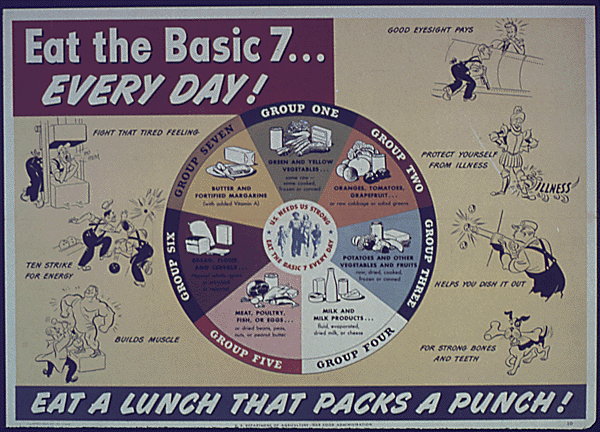
The basic 7 was the first ever good guide introduced from the United States. It was created during World War II, to inform individuals how to eat well even if they are restricted on the food they can have, because of rations.
What did it include?
The Basic 7 included, seven, (i know a shocker) food groups that citizens should consume a bit of each every day for a balanced diet supposedly. It included:
- Green and yellow vegetables (some raw; some cooked, frozen or canned)
- Oranges, tomatoes, grapefruit (or raw cabbage or salad greens)
- Potatoes and other vegetables and fruits (raw, dried, cooked, frozen or canned)
- Milk and milk products (fluid, evaporated, dried milk, or cheese)
- Meat, poultry, fish, or eggs (or dried beans, peas, nuts, or peanut butter)
- Bread, flour, and cereals (natural whole grain, or enriched or restored)
- Butter and fortified margarine (with added Vitamin A)
Was it good? Spoiler: it was good and bad :3
Pros
- Promoted variety of food, not just eating the same thing every day.
- Practical during wartime, it was designed to work within rationing limits.
- Simple and followable, introduced Americans to basic nutrition, and categories of food.
Cons
- No Portion Guidance, leading to imbalances :3
- Groups too Broad, making it hard to distinquish between healthy and unhealthy.
- Misses the mark on excess sugars, fats, or avoiding diseases.
Impact
This set the precedent for what food guides should look like, showing the largest real government interest in health and nutrition for the first time.